Sharpness Standards
Resources
Axe handles:
https://whiskeyrivertrading.com/
Tool handles:
https://beaver-tooth.com/?srsltid=AfmBOopXt--8Fb_MGhDE2arCjTdTOzhxIB9M3P8dOLTjiBqdQXqOx6gJ
Metal & Wood Finish - Tried and True
Cast Iron seasoning:
https://www.theculinaryfanatic.com/jeff-rogers-cast-iron-seasoning-method
Everything relating to axes:
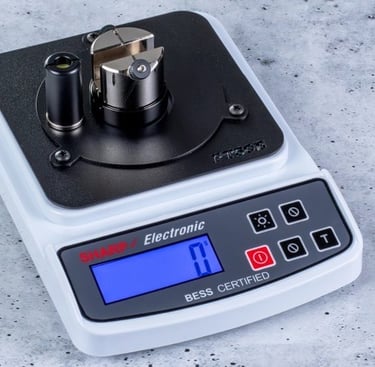
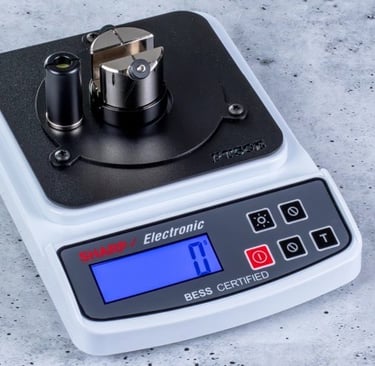
The BESS (Brubacher Edge Sharpness Scale) sharpening standard is a globally recognized, numerical scale for quantifying knife sharpness based on the force (in grams) required to cut a standardized test medium.
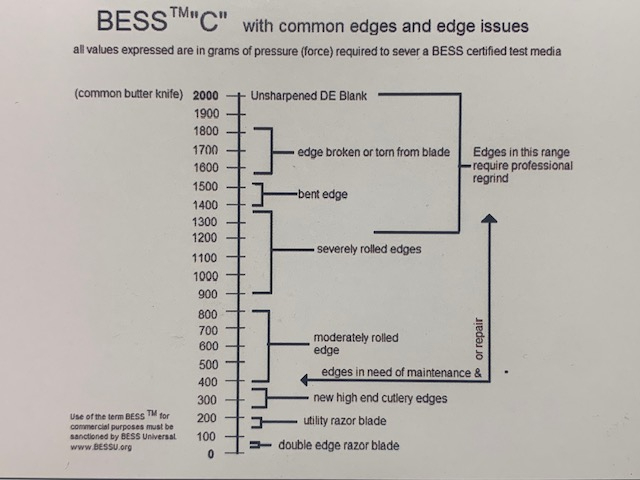
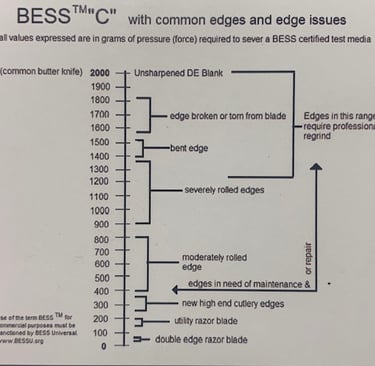
Developed by Mike Brubacher, a lower BESS score signifies a sharper edge, ranging from 2000 for an unsharpened knife to 0 for ultimate sharpness, allowing for precise, objective comparison of edge performance.
How the BESS Scale Works
Test Medium: A calibrated, synthetic "wire" (often a stiff plastic filament) is stretched across a fixture.
Measurement: A knife edge is pressed onto the filament. The tester measures the force (in grams) needed to sever it.
Scoring: The required force is the BESS score; lower numbers mean a sharper blade.
Key Features & Benefits
Standardization: Ensures consistent results by using identical test media and calibrated testers.
Quantifiable Data: Replaces subjective terms ("razor sharp") with measurable numbers, allowing for accurate tracking of sharpness over time.
Universal Language: Creates a clear, shared language for discussing sharpness among sharpeners, enthusiasts, and manufacturer
BESS Sharpness Classifications (Approximate)
Dull: >500 BESS
Working Edge: 300–400 BESS
Sharp: 250–300 BESS (comparable to new quality cutlery)
Very Sharp: 150–200 BESS (like a new utility knife)
Razor Sharp: ≤50 BESS (as sharp as a double-edge razor)
Resources and Helpful Information
Address
Located in Windham, Maine - but we come to you!
Contact Us
Laser Clean Maine, LLC Dan Hayden 207-831-2554
contact@lasercleanmaine.com
Find us on
© 2026 Laser Clean Maine, LLC All Rights Reserved.